

 800-671-4304
Inpatient Alcohol Detox: What to Expect, Timeline, Cost and How It Works

In This Article:
- What Is Inpatient Alcohol Detoxification?
- How Does Inpatient Alcohol Detox Work?
- How Medical Teams Measure Withdrawal Severity (CIWA-Ar)
- Alcohol Withdrawal Timeline in Inpatient Detox (What Happens When)
- When Is Inpatient Alcohol Detox Recommended?
- Residential Alcohol Detox vs. Inpatient Alcohol Rehab Centers
- Medication Used in Medically Supervised Alcohol Detox
- How Much Does Inpatient Alcohol Detox Cost?
- How to Find the Best Inpatient Alcohol Detox Facility in My City
- Recommended Inpatient Alcohol Detox Programs Across the U.S.
What Is Inpatient Alcohol Detoxification?
Inpatient alcohol detoxification is a short-term, live-in medical program designed to manage alcohol withdrawal safely in a controlled clinical environment. The 24/7 monitoring allows staff to track vital signs, note symptom changes and respond quickly if complications arise.
The focus is on managing symptoms and reducing risks like seizures, severe agitation and dehydration while supporting comfort and medical stability. The primary goal is stabilization before treatment, not therapy or long-term rehabilitation.
Individuals in inpatient alcohol detox typically receive:
- Continuous vital sign monitoring
- Medication support for withdrawal
- Hydration and nutritional support
- Sleep stabilization
- Discharge planning
This structured, medically supervised approach keeps care tightly focused on safe withdrawal management. It also offers a consistent assessment and readiness to transition once the acute phase has resolved.
How Does Inpatient Alcohol Detox Work?
Inpatient alcohol detox follows a structured clinical sequence designed to reduce risk, control symptoms and stabilize the body safely. This process is a form of medical detox for alcohol, with care decisions guided by ongoing assessments rather than a fixed timetable.
Medical Intake and Evaluation
Clinicians begin by reviewing substance use history, completing a physical exam and performing a withdrawal risk assessment. This helps to identify prior complications, current medical conditions and factors that may increase withdrawal severity.
Monitoring and Symptom Scoring
Staff assesses withdrawal severity regularly, with vital signs being monitored around the clock. Frequent checks help the care team to detect changes early and adjust care as needed.
Medication Management
Benzodiazepines are commonly used to reduce seizure risk and severe agitation. Doses are adjusted based on symptom severity and the patient’s clinical response rather than a preset schedule. Learn more about medication-assisted detox and how MAT works.
Stabilization Phase
The first 24 to 72 hours are typically the most intense. During this period, the medical team focuses on safety, comfort, hydration and preventing complications while symptoms peak and then begin to ease.
Discharge Planning
Before release, the next step in care is determined based on medical stability and remaining clinical needs.
How Medical Teams Measure Withdrawal Severity (CIWA-Ar)
In inpatient detox settings, medical teams use a standardized tool called the Clinical Institute Withdrawal Assessment for Alcohol, Revised (CIWA-Ar), to evaluate symptoms and guide care.
The CIWA-Ar scale is a form of alcohol withdrawal assessment scoring that measures 10 clinical signs, including tremors, agitation, nausea, anxiety and sensory disturbances. Scores range from 0 to 67, with higher totals indicating greater risk and more severe withdrawal on the alcohol withdrawal severity scale.
The CIWA protocol uses these scores to support symptom-triggered therapy, meaning medication dosing is adjusted based on current severity rather than a fixed schedule.
During early detox, assessments are typically repeated every one to four hours to track changes and respond quickly if symptoms escalate. A score of 15 or higher is associated with an increased risk of severe withdrawal and complications, prompting closer monitoring and more intensive medical management.
This structured, repeatable approach improves safety, consistency and clinical decision making during acute alcohol withdrawal.
Alcohol Withdrawal Timeline in Inpatient Detox (What Happens When)
Many people ask how long inpatient alcohol detox takes. The simple truth is that there is no single answer that fits everyone. The timing and intensity of withdrawal vary based on symptom severity, drinking history, overall health and individual drinking patterns.
Someone with long-term heavy use or prior complicated withdrawals may experience a different course than someone with a shorter or less intense history.
The timeline below shows a general pattern, not a guarantee, because alcohol withdrawal does not follow a rigid schedule and symptoms can change quickly. Inpatient detox helps manage each stage safely by combining continuous monitoring, symptom scoring and medication adjustments when needed.
Early symptoms may begin within hours, while more serious risks can appear days later, especially in higher-risk cases. Medical teams focus on anticipating complications, responding quickly to changes and supporting hydration, sleep and stabilization as the nervous system recalibrates. For most people, physical symptoms gradually ease over several days, though fatigue, mood changes and sleep disruption can linger much longer.
The purpose of inpatient care is not to rush the process but to guide it safely, reduce medical risk and provide consistent oversight through the most unpredictable phases of withdrawal.
Alcohol Withdrawal Timeline (General)
| Time Since Last Drink | Common Symptoms | When Risk Increases | How Inpatient Teams Respond |
|---|---|---|---|
| 6 to 12 hours | Anxiety, tremors, sweating, headache, nausea, insomnia | Symptoms begin and may escalate quickly in heavy drinkers | Initial medical evaluation, vital sign monitoring, symptom scoring, medications started if needed |
| 12 to 24 hours | Worsening tremors, irritability, increased heart rate, mild confusion | Greater risk of symptom progression | Continued monitoring, medication dose adjustments as needed, fluids and electrolyte support |
| 24 to 48 hours | Possible hallucinations (visual or auditory), agitation | Seizure risk may increase during this window | Close neurological monitoring, seizure precautions, medication management |
| 48 to 72 hours | Severe agitation, confusion, high blood pressure, fever, possible delirium tremens in rare cases | Higher-risk period for serious complications including delirium tremens | Intensive monitoring, medication stabilization, possible transfer to a higher level of care if required |
| 3 to 7 days | Symptoms gradually decrease for most people; fatigue, mood swings and sleep disruption may persist | Psychological symptoms may linger | Ongoing symptom management, sleep support, discharge planning, transition to continued treatment |
When Is Inpatient Alcohol Detox Recommended?
Inpatient detox is recommended for higher-risk withdrawal, where medical complications are more likely and symptoms can escalate quickly.
Not everyone requires hospitalization to stop drinking, but some people absolutely do, especially when there is a history of severe symptoms and underlying health concerns. In those cases, 24/7 medical monitoring, rapid access to medication and continuous assessments can be lifesaving.
People may also look for inpatient alcohol addiction treatment near them when detox feels overwhelming or dangerous to attempt alone, but the decision for inpatient care is based on medical risk rather than convenience.
Inpatient detox may be recommended if you:
- Have a history of seizures or delirium tremens
- Have severe withdrawal symptoms
- Have serious medical conditions
- Use multiple substances
- Have co-occurring mental health conditions
- Lack stable home support
These factors increase the chance of complications, making supervised, around-the-clock care the safest option during alcohol withdrawal.
Residential Alcohol Detox vs. Inpatient Alcohol Rehab Centers
Residential alcohol detox and residential alcohol addiction treatment are often confused with inpatient alcohol rehab centers, but they serve different purposes.
Detox focuses on medical stabilization during alcohol withdrawal, while a residential alcohol rehab center focuses on therapy, skill-building and relapse prevention after the body is stable.
In detox, the priority is ensuring safety, monitoring vital signs, managing symptoms and preventing complications. In residential rehab, the priority shifts to structured treatment, counseling and long-term recovery planning.
Some facilities offer both services in sequence so patients can complete withdrawal management first and then transition into ongoing treatment. Even when they are located in the same facility, the goals and daily activities are very different.
| Detox | Residential Rehab | |
|---|---|---|
| Focus | Withdrawal stabilization | Ongoing therapy |
| Typical Length | Days to a week | Weeks to months |
| Medical Monitoring | Intensive | Supportive |
| Goal | Physical stabilization | Long-term recovery |
Keeping these roles distinct helps set clear expectations and appropriate care plans. For an overview of what comes after detox, see more treatment options after detox.
Medication Used in Medically Supervised Alcohol Detox
In medically supervised alcohol detox, medications play a central role in reducing risk and controlling dangerous withdrawal symptoms.
During inpatient alcohol detox, the most commonly used medications are benzodiazepines, which help calm the nervous system and are proven to help prevent seizures and other severe complications, such as delirium tremens.
Rather than following a fixed schedule, medication is adjusted based on symptoms, vital signs and ongoing clinical assessments. This allows caregivers to respond to changes in withdrawal severity.
In addition to primary withdrawal medications, supportive treatments may be used to address common problems like nausea, sleep disruption, anxiety or elevated heart rate. These medications do not replace core withdrawal management but help improve comfort and stability while the body adapts.
Medication may help with:
- Seizure prevention
- Agitation
- Elevated heart rate
- Severe anxiety
- Sleep disruption
The goal is not heavy sedation but safe stabilization with close monitoring and timely adjustments.
How Much Does Inpatient Alcohol Detox Cost?
Many people ask how much inpatient detox costs. The answer is that prices vary depending on the facility type, length of stay, insurance coverage, medical complexity and location.
A hospital-based unit with intensive monitoring typically costs more than a freestanding center, and longer stays increase the total charges. Insurance can lower out-of-pocket expenses, while complex medical needs can raise them. For a detailed breakdown, see how much detox costs.
Cost factors include:
- Medical monitoring intensity
- Medications
- Lab testing
- Private room vs. shared room
- Insurance network status
Questions to ask a detox facility:
- Is detox medically managed 24/7?
- What is included in the quoted price?
- What will my insurance cover?
- Are there additional medications or physician fees?
Request a written estimate, verify benefits and confirm whether labs, imaging, or specialist consultations are billed separately.
Comparing programs with the same level of medical oversight keeps decisions focused on safety, not just sticker prices, and supports budgeting.
How to Find the Best Inpatient Alcohol Detox Facility in My City
When comparing options, focus on medical safety and oversight above other factors. Use this checklist to guide decisions:
- 24/7 medical monitoring
- Clear withdrawal medication protocol
- Ability to manage severe complications
- Transparent insurance verification
- Strong discharge planning
- Reviews that mention safety and staff responsiveness
With our online directory, you can explore verified programs and compare locations to find nearby accredited options.
Recommended Inpatient Alcohol Detox Programs Across the U.S.
Many readers search for inpatient detox by state or city when care feels urgent. These locations represent high-demand areas across the country. Each option should provide medically supervised alcohol detox.
If you’re seeking inpatient alcohol detox near you, explore the full listing to compare programs and confirm availability before deciding.
Inpatient Detox Massachusetts
Searching for inpatient alcohol detox in Massachusetts? In Quincy, ARK Behavioral Health offers ambulatory medical detox in a serene, private setting. Medication-assisted treatment (MAT) is available using methadone, buprenorphine, acamprosate and disulfiram, among others.
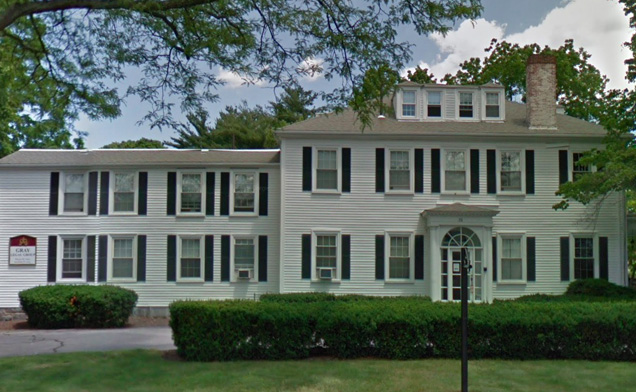
500 Victory Road Quincy, MA 02171
Inpatient Detox Los Angeles
Los Angeles is home to several inpatient alcohol detox facilities including CNV Detox. At this modern rehab center, you’ll find MAT services, residential programming and a robust aftercare program. Holistic therapies like breathwork and yoga are also available.

5919 W 74th St Los Angeles, CA 90045
Inpatient Detox Colorado
Looking for inpatient alcohol detox services in Colorado? If so, CuraWest in Denver is a top pick. This facility offers medically monitored detox and residential treatment. Services are offered in a homestyle retreat setting, with a low staff-to-client ratio that ensures personalized support.
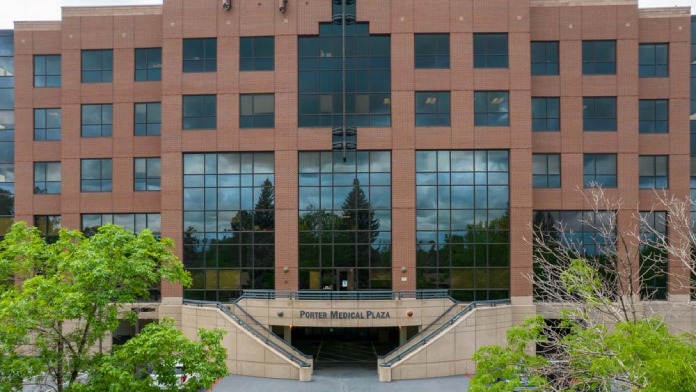
2535 S Downing St Suite 500 Denver, CO 80210
Inpatient Detox Ohio
Ohio is home to several inpatient alcohol detox centers. One of those is Arrow Passage Recovery in Massillon. This full-service addiction and mental health treatment center specializes in medical detox as well as life skills training and counseling. The natural spaces around the facility are ideal for outdoor therapy.
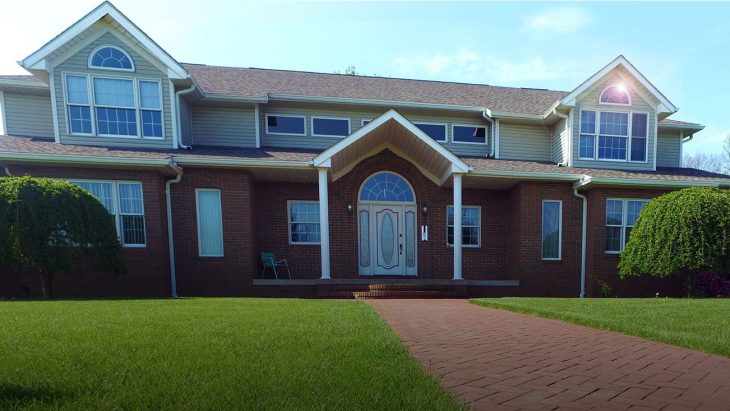
4069 Bradley Circle Northwest, Canton, OH 44718
Inpatient Detox San Francisco
Do you need inpatient alcohol detox in San Francisco? A top pick in the city is Marina Harbor Detox. This luxury drug and alcohol rehab center offers medically supervised detox, MAT and intensive residential care. Specialized support is available for first responders, executives and young adults.

289 Marina Blvd San Francisco, CA 94123
Inpatient Detox New York
When searching for inpatient alcohol detox in New York, you have many choices. One of those is Long Island Center for Recovery in Hampton Bays. Jack Hamilton, one of the first individuals to bring Narcotics Anonymous (NA) meetings to the state, founded the facility in 1995. In addition to detox, you’ll find 12-step groups as well as experiential and expressive therapies.
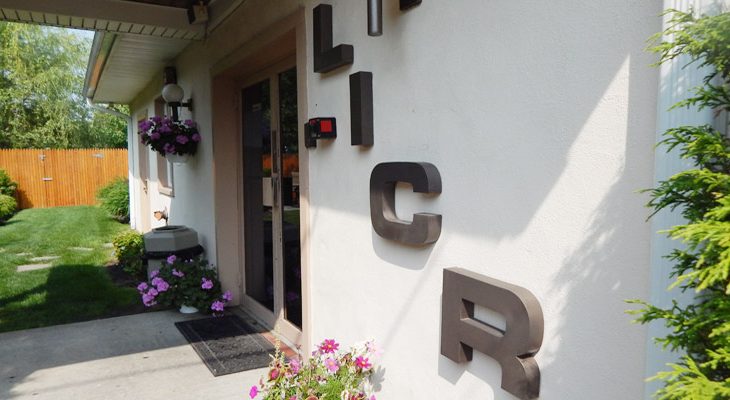
320 West Montauk Highway Hampton Bays, NY 11946
Inpatient Detox Phoenix
Phoenix has multiple treatment facilities that offer inpatient alcohol detox. This includes Vogue Recovery Center. This upscale facility provides a medical detox process that lasts between three and 11 days, complemented by evidence-based and holistic therapies. From art and music to yoga and mindfulness, the programs are robust and targeted.

4122 North 17th Street Building A and B Phoenix, AZ 85016
Inpatient Detox San Diego
Do you need inpatient alcohol detox in San Diego? A top pick in the area is Apex Recovery. Located in Mission Valley East, this facility specializes in detox, inpatient care and various levels of outpatient support. Dual diagnosis care is also a primary focus here.

2810 Camino del Rio S Suite106 San Diego, CA 92108
Inpatient Detox Tennessee
Several rehab centers around Tennessee offer inpatient alcohol detox. Knoxville Recovery Center is one of them. In addition to detox services, this center also specializes in group counseling and holistic therapies like Qigong sessions. There are 24 beds dedicated to the detox unit and MAT is available.
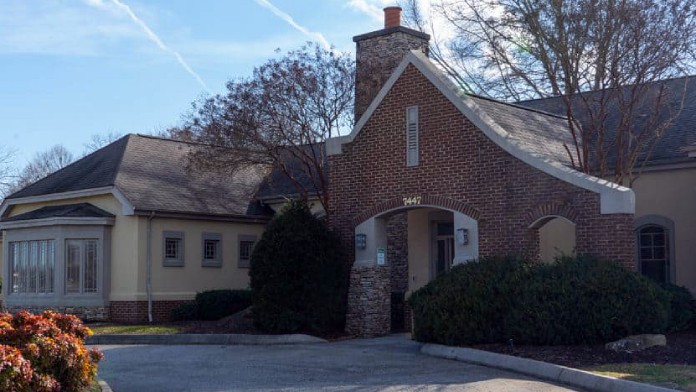
7447 Andersonville Pike Knoxville, TN 37938
Inpatient Detox Virginia
Virginia has many inpatient alcohol detox centers. In Salem, you’ll find Mount Regis Center. Following detox, you can also attend residential, partial hospitalization and intensive outpatient treatment here. The 68-bed facility is located in a historic estate that offers lots of privacy as well as common areas for socialization.
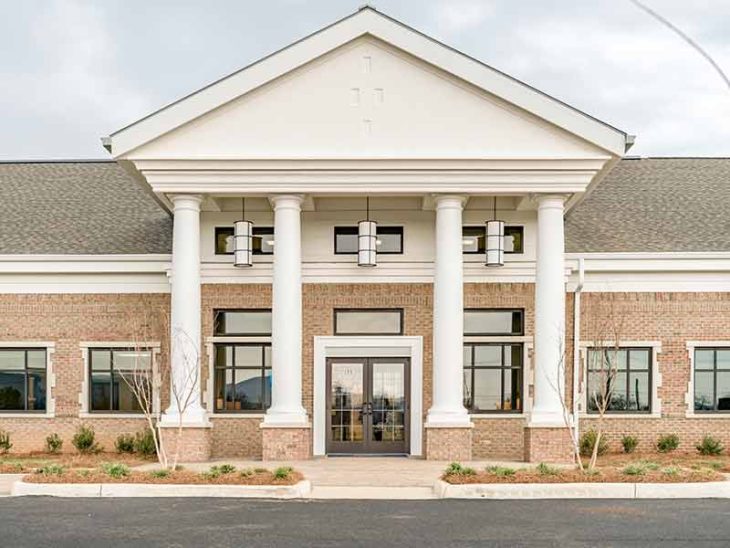
125 Knotbreak Rd, Salem, VA 24153