502-234-5206
MedMark Treatment Centers Louisville
Louisville, KY
40219
Detox treatments help you overcome physical dependency on drugs and alcohol so you can stop cravings and addiction from taking over your life. Detox centers in Lexington offer an array of effective treatments that help you safely withdraw from substances with a lowered risk for pain and serious health complications.
Lexington alcohol detox centers use FDA-approved medications and therapies like massage and exercise to relieve your symptoms and get you comfortably through withdrawal. If you live in Lexington and need help fighting addiction, call our confidential helpline at 859-592-4028 to explore your options for nearby drug and alcohol detox centers in Lexington, KY.

| Name | Address | Detox Service Setting | Levels Of Care | Media |
|---|---|---|---|---|
BrightView Lexington Addiction Treatment Center |
575 West Main Street Lexington, KY 40507 |
Detox Service Setting
Outpatient Detox
|
Levels Of Care
OutpatientDual Diagnosis
|
|
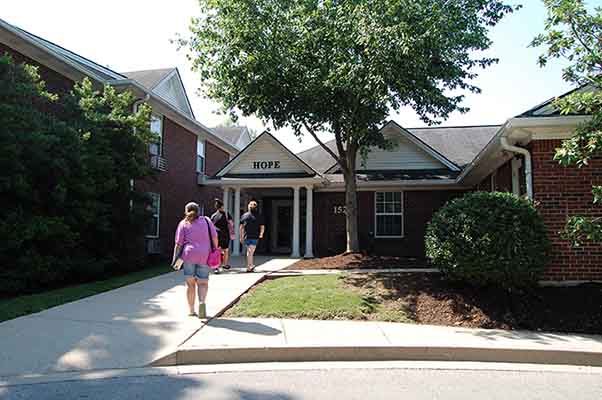
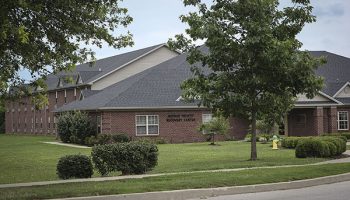
Hope Center Recovery For Men |
250 West Loudon Avenue Lexington, KY 40508 |
Detox Service Setting
Inpatient Detox
|
Levels Of Care
Inpatient
|
|
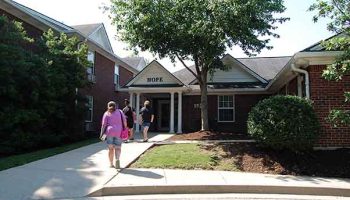
Hope Center, Inc |
1524 Versailles Road Lexington, KY 40504 |
Detox Service Setting
Inpatient DetoxMAT
|
Levels Of Care
Inpatient
|
|
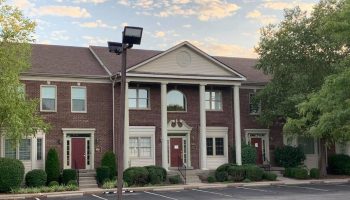
Lexington Counseling and Psychiatry |
501 Darby Creek Road Lexington, KY 40509 |
Detox Service Setting
Outpatient Detox
|
Levels Of Care
Outpatient
|
|
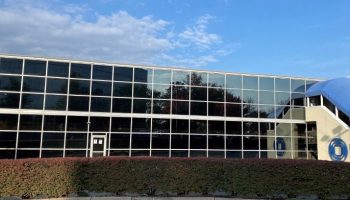
Roaring Brook Recovery |
600 Perimeter Dr Lexington, KY 40517 |
Detox Service Setting
Inpatient DetoxOutpatient Detox
|
Levels Of Care
InpatientOutpatient
|
|
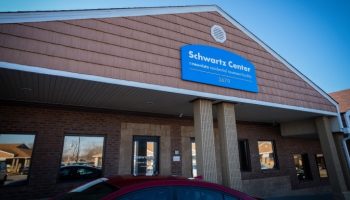
Schwartz Center Residential Substance Use Treatment |
3479 Buckhorn Drive Lexington, KY 40515 |
Detox Service Setting
Inpatient DetoxOutpatient Detox
|
Levels Of Care
InpatientOutpatient
|
|
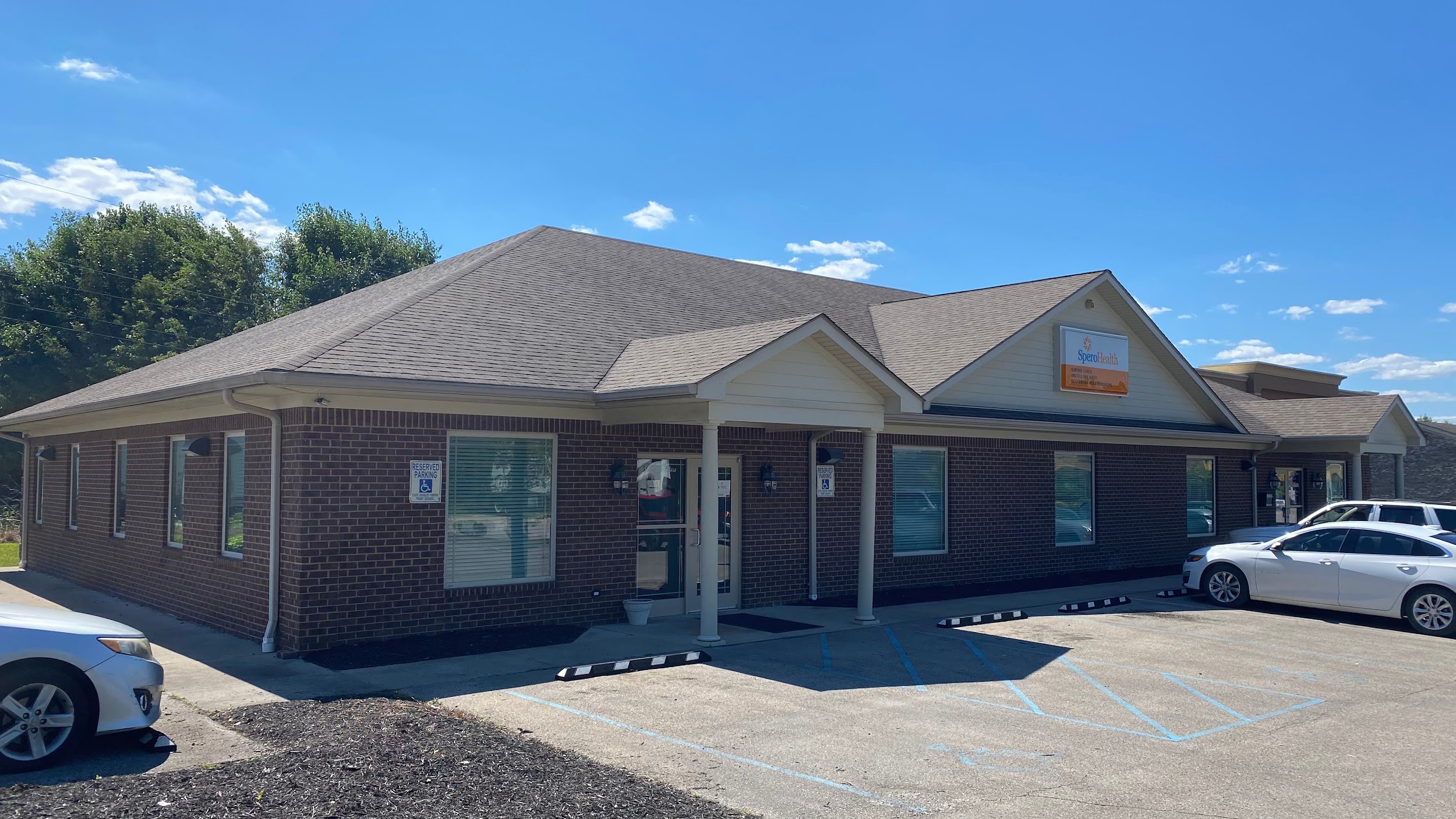
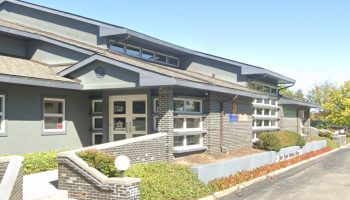
SperoHealth Burt Road |
177 Burt Road Lexington, KY 40503 |
Detox Service Setting
Outpatient Detox
|
Levels Of Care
OutpatientAftercareDual Diagnosis
|
|
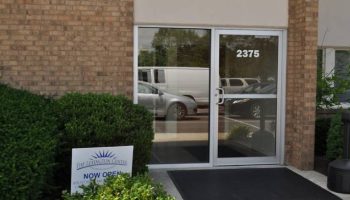
The Lexington Center for Opioid Dependence |
2375 Professional Heights Dr Lexington, KY 40503 |
Detox Service Setting
Inpatient DetoxOutpatient Detox
|
Levels Of Care
InpatientOutpatient
|
|
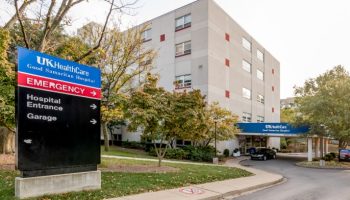
UK Good Samaritan Hospital |
310 S Limestone Lexington, KY 40508 |
Detox Service Setting
Inpatient DetoxOutpatient Detox
|
Levels Of Care
InpatientOutpatient
|
|
2nd Chance Clinic |
1420 N Broadway Lexington, KY 40505 |
Detox Service Setting
Outpatient DetoxMAT
|
Levels Of Care
Outpatient
|
|
CleanSlate Outpatient Addiction Medicine |
1500 Leestown Rd Lexington, KY 40511 |
Detox Service Setting
Inpatient DetoxOutpatient Detox
|
Levels Of Care
InpatientOutpatient
|
|
DeNova |
1301 Winchester Rd Lexington, KY 40505 |
Detox Service Setting
Inpatient DetoxOutpatient Detox
|
Levels Of Care
InpatientOutpatient
|
|
Invictus4Core |
3161 Custer Dr #3 Lexington, KY 40517 |
Detox Service Setting
Inpatient DetoxOutpatient DetoxMAT
|
Levels Of Care
InpatientOutpatientDual Diagnosis+1
|
|
Lexington Addiction Center |
351 Burley Ave Lexington, KY 40503 |
Detox Service Setting
Inpatient DetoxOutpatient DetoxMAT
|
Levels Of Care
InpatientOutpatientDual Diagnosis+1
|
|
Resurrection Clinic Lexington |
1718 Alexandria Dr Lexington, KY 40504 |
Detox Service Setting
Inpatient DetoxOutpatient Detox
|
Levels Of Care
InpatientOutpatient
|
|
Ridge Behavioral Health System |
3050 Rio Dosa Drive Lexington, KY 40509 |
Detox Service Setting
Outpatient DetoxInpatient DetoxHospital Detox+1
|
Levels Of Care
OutpatientInpatientPHP+1
|
|
UK Psychiatric & Behavioral Health Care SMART Clinic |
245 Fountain Court Lexington, KY 40509 |
Detox Service Setting
Inpatient DetoxOutpatient Detox
|
Levels Of Care
InpatientOutpatient
|
Lexington sits at the center of Kentucky’s ongoing effort to address one of the most severe substance use crises in the country. Despite real progress, Fayette County still ranks 12th among Kentucky’s 120 counties in opioid crisis burden.
Drug and alcohol detox facilities in Fayette County are licensed by the Kentucky Cabinet for Health and Family Services, primarily through the Department for Behavioral Health, Developmental and Intellectual Disabilities (DBHDID).
Residential facilities face an additional licensing layer through the Office of Inspector General (OIG), which means accredited programs operate under close regulatory oversight at both the clinical and facility levels.
The city has taken an unusually direct role in coordinating local care. The Lexington-Fayette Urban County Government (LFUCG) runs a dedicated Substance Use Disorder Intervention Program, which connects residents to treatment, distributes naloxone and coordinates harm reduction outreach at non-traditional locations like bus stops and gas stations.
Furthermore, the city’s GetHelpLex tool (gethelplex.org) helps people search for local programs by service type and insurance accepted, a practical first step for anyone choosing a detox center in the area.
Lexington is also managing a significant and growing pool of opioid abatement settlement funds. In fact, the city expects approximately $30 million over 18 years from litigation against pharmaceutical manufacturers and distributors, with a formal spending plan now in development that focuses on treatment access, supportive housing and harm reduction programs.
As well, the University of Kentucky’s academic medical campus adds a research and clinical depth to the local care system that most mid-size cities do not have, with ongoing studies on treatment outcomes informing how care is delivered across the region.
Understanding the cost of detox is often the first concern for people and families seeking help in Lexington. Especially when costs vary widely depending on the level of care, whether services are provided in a hospital, residential facility, or outpatient setting and how long treatment lasts.
Knowing the basics about how much detox costs can help you compare facilities with a realistic picture of out-of-pocket expenses before making a call.
The cost of detox in Lexington is broadly in line with statewide and national ranges, though Kentucky’s lower cost-of-living generally keeps prices below major metro averages. However, the length of stay, severity of withdrawal symptoms, and medication requirements are the biggest cost variables.
Insurance typically reduces or eliminates out-of-pocket costs for eligible patients.
Under the Affordable Care Act, private insurers must provide mental health and substance use disorder benefits at parity with other medical coverage. The Kentucky Department of Insurance oversees compliance.
Most PPO and many HMO plans in Kentucky include in-network behavioral health providers in the Lexington area.
Be sure when you are verifying the benefits that you ask specifically about pre-authorization requirements for inpatient detox, partial hospitalization or intensive outpatient programs.
The six most common private insurers in the Lexington and Kentucky market are:

Medicare covers inpatient and outpatient detox in Lexington under Parts A and B, including OTP services such as methadone, buprenorphine, and naltrexone. Cost-sharing varies by plan and treatment setting, so confirm Medicare acceptance directly with any facility before intake.
Kentucky Medicaid covers medically necessary detox, residential stabilization, MAT medications and outpatient treatment for eligible adults.
Coverage is administered through managed care organizations (MCOs), including Humana, CareSource, Molina (formerly Passport Health Plan), WellCare,and Anthem.
Most Medicaid-contracted facilities in Lexington accept one or more of these MCOs. Children and teens up to age 19 may also qualify through KCHIP.
Some other ways to pay for rehab in Lexington, Kentucky include:

Many nonprofit and faith-based programs in Lexington set fees based on income and ability to pay.
The City of Lexington provides one-time financial assistance of up to $500 for Fayette County residents who need help paying for certified sober living or recovery housing.
DBHDID funds community-based SUD services available to uninsured Kentuckians who do not qualify for Medicaid. The KY HELP line (1-833-594-3557) can help connect callers to funded programs.
Eligible veterans can access SUD treatment through the Lexington VA Medical Center (Leestown Road campus), which provides a full range of addiction treatment services.
Key regulatory and accreditation bodies that oversee detox and withdrawal management in Lexington and Kentucky include:
DBHDID, part of the Cabinet for Health and Family Services, is the primary licensing authority for substance use disorder treatment programs in Kentucky. It licenses Alcohol and Other Drug Entity (AODE) providers under 908 KAR 2:260 and oversees clinical standards, staffing and program compliance for all licensed detox and treatment facilities statewide, including those in Fayette County.
The OIG separately licenses non-hospital healthcare facilities, including residential treatment programs, under 902 KAR. Residential detox facilities in Lexington must hold both a DBHDID AODE license and an OIG facility license. This dual-review structure requires programs to meet separate clinical and physical plant standards before opening or renewing licensure.
Federal law requires that methadone clinics operating in Lexington receive SAMHSA certification as Opioid Treatment Programs (OTPs) under 42 CFR Part 8, in addition to state DBHDID licensure. SAMHSA sets federal standards for dosing protocols, counseling requirements, take-home privileges and patient record requirements for all OTPs.
Medication-assisted treatment for opioid and alcohol use disorder is widely available in Lexington and regulated at both the federal and state levels.
The 2023 federal elimination of the X-waiver requirement significantly expanded buprenorphine access across Kentucky, and Kentucky Medicaid covers all three primary MAT medications for eligible patients.
Available at office-based clinics and via telehealth throughout Lexington. Since the X-waiver was eliminated in January 2023, any licensed prescriber can initiate buprenorphine, meaning more primary care physicians and urgent care providers now offer it. Kentucky Medicaid covers buprenorphine and its brand formulations at low or no cost to eligible patients.
Restricted to SAMHSA-certified OTPs and cannot be dispensed through regular pharmacies for opioid use disorder treatment. Lexington has multiple certified OTPs, including programs at Bluegrass Community Services and New Season Treatment Center. Patients typically begin with daily supervised doses, with take-home privileges available after meeting compliance criteria set by the clinic and SAMHSA.
Unrestricted, with no special prescriber licensing required. The injectable monthly form (Vivitrol) is fully covered by Kentucky Medicaid and is widely used in Lexington for both opioid use disorder and alcohol use disorder. It is a common transition medication for people completing residential detox who want a non-opioid maintenance option.
Fayette County has one of the more developed harm reduction networks among mid-size Kentucky cities, built through close coordination between the health department, city government, nonprofits and fire department.
These organizations distribute naloxone, offer syringe services and connect people who use drugs to fentanyl treatment resources, whether or not they are ready to enter formal detox.
The Health Department has operated Lexington’s syringe exchange since Senate Bill 192 authorized municipal programs in 2015.
From September 2015 through August 2024, the program recorded over 106,000 visits, received close to 4.5 million needles, and distributed nearly 70,000 naloxone doses.
Naloxone kits are available Mondays (11 a.m. to 5 p.m.), Wednesdays (3 to 6:30 p.m.), and Thursdays (11 a.m. to 5 p.m.) at 650 Newtown Pike.
Voices of Hope is a Lexington-based nonprofit run by and for people in recovery. Its mobile units reach individuals in active addiction across the city, providing naloxone training, rides to treatment facilities and connections to housing and medical care.
The organization received Kentucky Opioid Abatement Advisory Commission funding in both 2024 and 2025 and coordinates closely with the LFUCG SUD Intervention Program on outreach strategy.
In 2024, Lexington firefighters reversed 356 overdoses across Fayette County.
The Quick Response Team distributed 230 Narcan kits to individuals and their families, and all LFD patrol officers carry naloxone in their vehicles.
Follow-up visits after a non-fatal overdose are a core part of the program, consistent with research showing that post-overdose contact increases treatment engagement.
The city’s SUD Intervention Program is a government-run coordination hub for Lexington’s overdose response.
As of early 2025, the program’s outreach coordinator had personally distributed over 5,000 naloxone kits at community locations, including bus stops and gas stations.
The program also coordinates the Mayor’s Substance Use Disorder Advisory Council, which guides how opioid settlement funds are allocated.
Recovery Cafe Lexington is a nonprofit peer-support community that provides a low-barrier, non-clinical entry point for people in early or active addiction.
It received opioid settlement funding through the Kentucky Opioid Abatement Advisory Commission for recovery support work across Fayette and surrounding counties, including Boyle, Franklin, Whitley and Harlan.
Fayette County has recorded meaningful progress on overdose deaths over the past two years, driven by expanded MAT access, naloxone distribution and coordinated first-responder outreach. However, fentanyl and methamphetamine continue to be the substances most frequently present in fatal overdoses across the region.
Lexington Fire Department personnel reversed 356 overdoses in 2024. The department’s Quick Response Team also distributed 230 Narcan kits directly to individuals and families.
The Lexington-Fayette County Health Department’s Harm Reduction Program distributed close to 70,000 naloxone doses from its launch in September 2015 through August 2024, across more than 106,000 program visits.
The city’s GetHelpLex tool (gethelplex.org) lets you filter local programs by insurance type, including those that offer sliding-fee scale services or accept no insurance. Furthermore, state-funded treatment is also available through DBHDID for eligible residents who do not qualify for Medicaid.
The KY HELP line (1-833-594-3557) provides crisis management and treatment referrals seven days a week.
Yes. Several Lexington facilities accept Kentucky Medicaid for inpatient and residential detox. Kentucky Medicaid MCOs are required to cover medically necessary detox and addiction aftercare services under state parity rules, though coverage details and pre-authorization requirements vary by plan.
Contact the facility’s admissions team to confirm your specific MCO is accepted before intake.
The RSLA program, run by the City of Lexington, provides one-time financial assistance of up to $500 for Fayette County residents aged 18 and older who face financial barriers to entering or continuing in a certified sober living or recovery housing program.
In fiscal year 2024, the program distributed $300,000 in total assistance. Applications are submitted through the city’s Substance Use Disorder Intervention Program.
Free naloxone is available from the Lexington-Fayette County Health Department at 650 Newtown Pike on Mondays, Wednesdays, and Thursdays. Additionally, Voices of Hope distributes it through mobile outreach units and NaloxBoxes at local businesses.
In addition, the city’s SUD coordinator provides kits at community locations across the county. Most Kentucky pharmacies also dispense naloxone without a prescription under the state’s standing order.
Yes. The federal elimination of the X-waiver requirement in January 2023 significantly expanded buprenorphine availability across Lexington.
Because of this change, primary care physicians, urgent care providers and telehealth prescribers can now initiate treatment without special DEA certification. Several clinics in Lexington, including CleanSlate Centers and Lexington Addiction Center, offer same-day or next-day buprenorphine induction for patients in withdrawal.