402-204-5426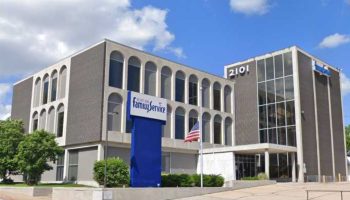
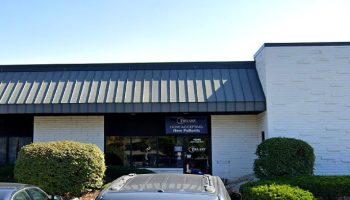
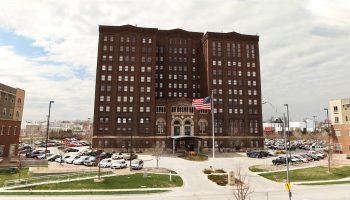
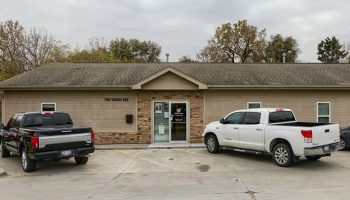
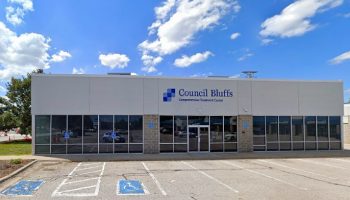
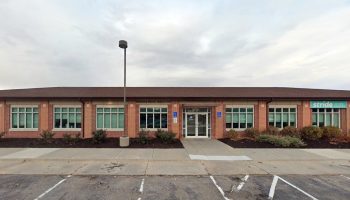
Omaha is Nebraska’s largest city and the primary hub for drug and alcohol detox services in the state. Facilities range from hospital-based medical detox at major health systems like Nebraska Medicine to community-funded residential programs and low-barrier outpatient MAT clinics. People seeking care travel to Omaha from across Nebraska, particularly from rural areas where licensed detox providers are scarce or nonexistent.
When you’re comparing your options, understanding how to choose a detox center can help you match the level of care to your specific situation. All detox and substance use disorder treatment facilities in Nebraska are licensed and overseen by the Nebraska Department of Health and Human Services (DHHS) Division of Behavioral Health. The division sets clinical standards, inspects facilities, and funds community-based treatment for uninsured or underinsured residents through its regional behavioral health system.
Nebraska DHHS Region 6 covers the Douglas County/Omaha area and helps coordinate access to state-funded treatment slots. Omaha’s location on the Interstate 80 corridor has contributed to elevated methamphetamine and fentanyl availability in the region. The DEA Omaha Division formed an Overdose Response Task Force in January 2023, which has led to significant reductions in local overdose incidents through targeted trafficking investigations and arrest referrals.
Methamphetamine and synthetic opioids together account for the majority of substance use disorder treatment admissions in the Douglas County area. Nebraska does not currently have a legal syringe services program. In 2024, the state legislature passed a bill to allow local jurisdictions to authorize needle exchanges, but Governor Pillen vetoed it. Omaha’s harm reduction infrastructure relies primarily on pharmacy-based naloxone distribution and community education rather than syringe exchange services.