

 651-309-4198
Vinland National Center
Loretto, MN
55357
| Name | Address | Detox Service Setting | Levels Of Care | Media |
|---|---|---|---|---|
Phoenix Recovery Programs |
2055 White Bear Avenue St. Paul, MN 55109 |
Detox Service Setting
|
Levels Of Care
|
|
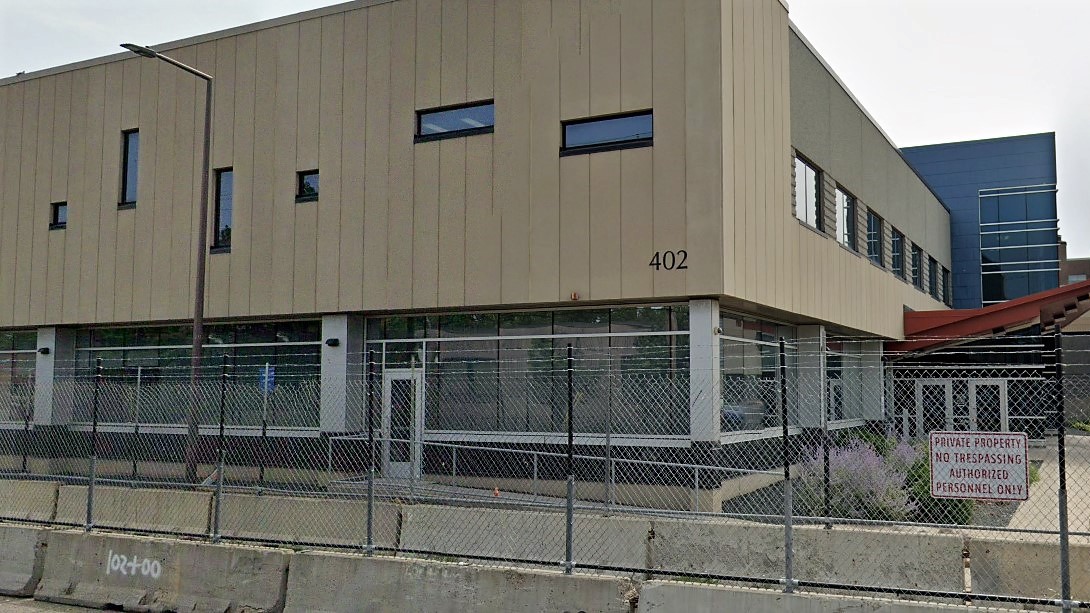
Ramsey County Detoxification Center |
402 University Avenue East St. Paul, MN 55130 |
Detox Service Setting
Inpatient Detox
|
Levels Of Care
|
|
St. Paul Metro Treatment Center |
2311 Woodbridge Street St. Paul, MN 55113 |
Detox Service Setting
Outpatient DetoxMAT
|
Levels Of Care
InpatientOutpatient
|
|
Ramsey County Detox Center |
402 University Avenue East Saint Paul, MN 55130 |
Detox Service Setting
Inpatient Detox
|
Levels Of Care
InpatientAftercare
|
|
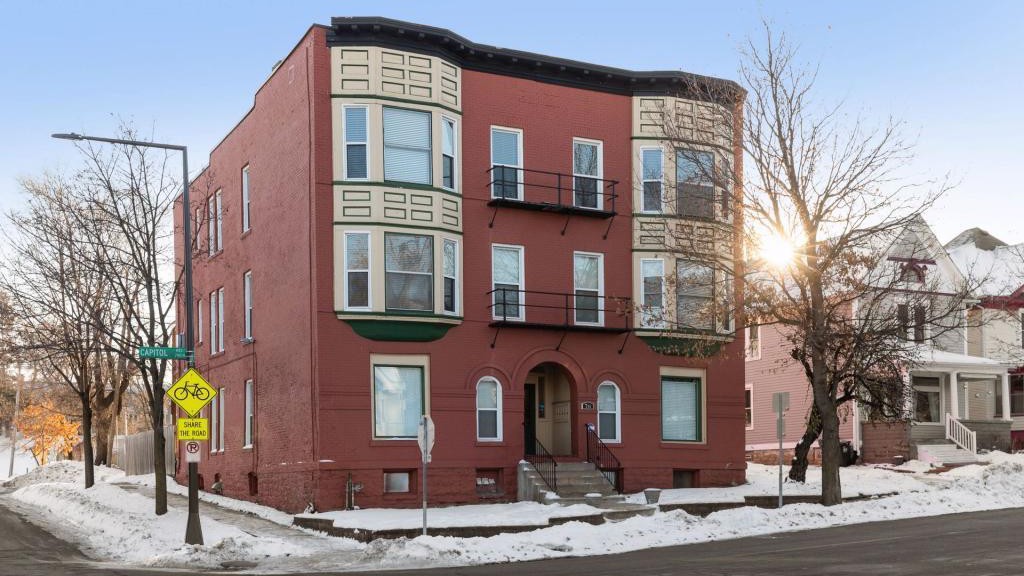
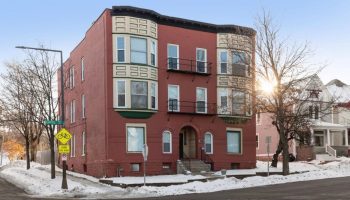
The Heights |
796 Capitol Heights Saint Paul, MN 55103 |
Detox Service Setting
Inpatient Detox
|
Levels Of Care
InpatientDual Diagnosis
|
|
M Health Fairview St Josephs Campus |
45 West 10th Street Saint Paul, MN 55102 |
Detox Service Setting
Inpatient DetoxOutpatient Detox
|
Levels Of Care
InpatientOutpatientDual Diagnosis
|

|
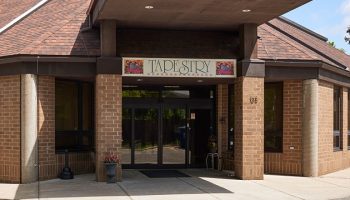
EOSIS Tapestry |
135 East Colorado Street Saint Paul, MN 55107 |
Detox Service Setting
Inpatient Detox
|
Levels Of Care
InpatientDual Diagnosis
|
|
EOSIS Latitudes |
1609 Jackson Street Saint Paul, MN 55117 |
Detox Service Setting
Inpatient Detox
|
Levels Of Care
InpatientDual Diagnosis
|

|
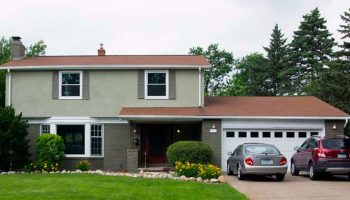
Elite Recovery |
1137 Grand Ave Saint Paul, MN 55105 |
Detox Service Setting
Inpatient DetoxOutpatient Detox
|
Levels Of Care
InpatientOutpatient
|
|
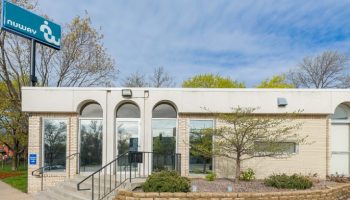
St. Paul NUWAY Counseling Center |
545 7th St W Saint Paul, MN 55102 |
Detox Service Setting
Inpatient DetoxOutpatient Detox
|
Levels Of Care
InpatientOutpatient
|
|
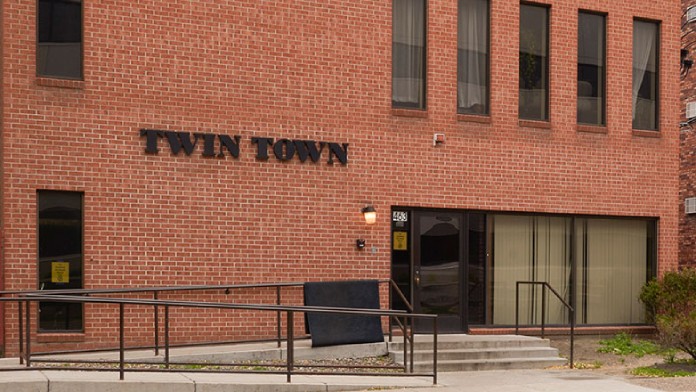
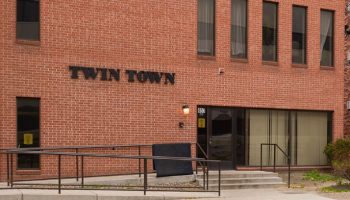
Twin Town |
1706 University Avenue Saint Paul, MN 55104 |
Detox Service Setting
Inpatient DetoxOutpatient Detox
|
Levels Of Care
InpatientOutpatientDual Diagnosis
|
|
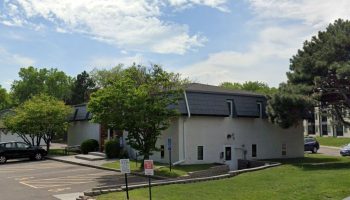
New Season St Paul Metro Treatment Center |
2311 Woodbridge Street Roseville, MN 55113 |
Detox Service Setting
Outpatient Detox
|
Levels Of Care
Outpatient
|
|
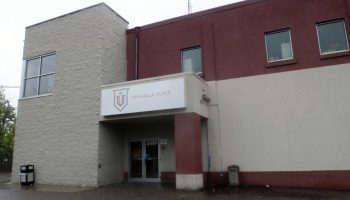
Valhalla Place |
3329 University Avenue Southeast Minneapolis, MN 55414 |
Detox Service Setting
Outpatient DetoxMAT
|
Levels Of Care
OutpatientDual DiagnosisInpatient+1
|
|
Nystrom and Associates Woodbury Clinic |
1811 Weir Drive Saint Paul, MN 55125 |
Detox Service Setting
Inpatient DetoxOutpatient Detox
|
Levels Of Care
InpatientOutpatientAftercare+1
|

|
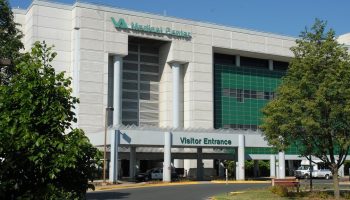
Minneapolis VA Health Care System VAMC |
1 Veterans Drive Minneapolis, MN 55417 |
Detox Service Setting
Inpatient DetoxOutpatient DetoxMAT
|
Levels Of Care
InpatientPHPOutpatient+2
|
|
If you’re looking for detox in St. Paul, it helps to understand how local treatment programs are funded and how they connect with county services.
St. Paul detox providers operate under licensing rules from the Minnesota Department of Human Services (DHS) and Minnesota Statutes Chapter 254G. Treatment isn’t limited to Medical Assistance funding. Minnesota’s Behavioral Health Fund, covered under Chapter 254B, can also help pay for care. For someone without insurance, that can open another door to treatment through the county safety net while Medical Assistance enrollment is being completed.
Ramsey County Community Human Services helps connect residents with local services. The county run Ramsey County Mental Health Center on University Avenue is one of those resources and provides licensed outpatient substance use disorder treatment.
There’s also a state reporting system called DAANES. Licensed detox and treatment programs report their admissions to the system. This helps Minnesota track treatment access and outcomes across the state, including Ramsey County.
The Twin Cities have made some progress on the overdose crisis, but the picture isn’t the same for everyone. Minnesota’s opioid deaths fell 32% from 2023 and 2024. Still, a 2025 analysis of CDC data found that older Black men in Ramsey County experienced overdose death rates nearly 16 times the national average for that group from 2018 through 2022. The disparity has led Ramsey County to fund new outreach aimed at reaching older Black men.
Minnesota has also worked to expand access to naloxone. A 2023 state law requires certain groups to carry it. That gives more people access to a medication that can reverse an opioid overdose, which remains especially important while fentanyl continues to dominate the local drug supply.
Most St. Paul residents can get their detox costs covered by private insurance, Medical Assistance or the county’s Behavioral Health Fund. The total cost of treatment depends on the level of care needed.
For more help understanding what your plan covers, read how insurance covers detox before you make the call to a provider.
Cost depends heavily on the level of care. Medically managed hospital detox costs far more than outpatient counseling and St. Paul’s cash pay rates track close to statewide averages.
The figures below are full cash pay (self pay) totals for a complete treatment episode, before insurance, Medical Assistance, Medicare or other assistance. Keep in mind that most people with coverage pay significantly less out of pocket.
If you are enrolled in Medicare, it will cover medically necessary inpatient and outpatient detox. Opioid Treatment Program services that include methadone and buprenorphine are covered under Part B. What you’ll pay depends on where you receive treatment and what your plan covers.
Medical Assistance, Minnesota’s Medicaid program, covers withdrawal management, residential treatment, outpatient care and MAT for eligible St. Paul residents through DHS enrolled providers, and the state’s Behavioral Health Fund can cover treatment costs for people who are uninsured or underinsured while eligibility is confirmed.
The cost of treatment shouldn’t keep you from getting the care you need in St. Paul. There are ways to help you pay outside of private insurance:

Fees for behavioral health screenings and referrals are income based in St. Paul through Minnesota Community Care and other Federally Qualified Health Centers.
Uninsured residents can get low barrier treatment navigation through Minnesota Adult and Teen Challenge and local faith based recovery programs.
Ramsey County’s Behavioral Health Fund covers assessment and treatment placement for eligible residents, regardless of insurance status.
In St. Paul, Native Americans and other underserved populations can get help paying for treatment through dedicated state and federal grant funding. Care must be obtained through DHS approved providers.
Detox and substance use disorder treatment programs are overseen by several bodies serving St. Paul:
Licenses every substance use disorder treatment program in Minnesota under Statutes 245G and administers the Behavioral Health Fund that supports care for uninsured and underinsured residents. See mn.gov/dhs.
Runs the county’s Ramsey County Mental Health Center, coordinates local access to licensed treatment, and directs opioid settlement funding toward local prevention and outreach programs. See ramseycounty.us.
Tracks statewide and county level overdose data, administers Minnesota’s naloxone standing order under Steve’s Law and funds syringe service programs, including Ramsey County’s Clinic 555. See health.state.mn.us.
The state department that enforces mental health and substance use parity for privately insured St. Paul residents. It also regulates state licensed commercial health insurers. See mn.gov/commerce.
Medication assisted treatment in St. Paul follows both federal and state rules. Federally, Opioid Treatment Programs (OTP) are subject to SAMHSA and DEA registration. In Minnesota, law requires that, in addition to MAT, counseling be a part of an individualized treatment plan and that admissions to a MAT program be reported through DAANES.
People in St. Paul can access buprenorphine through outpatient clinics or telehealth. For someone who can’t make daily trips to a clinic, telehealth can make starting treatment much easier. Medical Assistance also covers the medication.
Methadone treatment is offered at certified clinics throughout St. Paul and the Twin Cities area. Daily dosing at the clinic is part of the treatment, so you’ll want to think about how that fits into your routine. If you qualify for Medical Assistance, your coverage can help with the cost of treatment.
Naltrexone is available through regular outpatient providers throughout St. Paul. It isn’t addictive and doesn’t require a special license to prescribe. The injectable version can be used to treat both opioid and alcohol use disorder. Medical Assistance and most commercial insurance plans cover the medication.
In response to St. Paul residents’ fentanyl driven overdose risk, Ramsey County runs a dedicated harm reduction clinic. In addition, community organizations make up for what’s missing with training and mail order naloxone.
Ramsey County Public Health runs Clinic 555. It offers confidential walk in harm reduction services near downtown St. Paul. On request, it also offers naloxone training for community organizations.
Partnering with Ramsey County’s Clinic 555, this organization, which was named for a St. Paul resident who died of an opioid overdose, trains community groups and individuals throughout the Twin Cities.
Harm Reduction Sisters is a feminist led harm reduction program. It serves as Minnesota’s NEXT Distro affiliate and mails free naloxone statewide.
As a Federally Qualified Health Center, it provides primary care to people across Ramsey County, including those who may have a harder time accessing care. Substance use screening is part of its regular healthcare services.
Although Minnesota’s overdose numbers are improving statewide, stark disparities in access to care in St. Paul and Ramsey County persist.
Between 2023 and 2024, Minnesota saw one of the steepest declines in the number of opioid deaths across the state. Opioid deaths fell 32 percent from 1,001 to 678. Source: City of Minneapolis Health Department.
Between 2018 and 2022, older Black men in Ramsey County died from an overdose at nearly sixteen times the national average for that demographic. Source: APM Reports.
Statewide in 2024, overdose deaths from synthetic opioids, mostly illicit fentanyl, dropped 35 percent statewide from 942 to 610. Source: Minnesota Department of Health.
Reach out to Ramsey County Community Human Services or a DHS licensed provider. If you are uninsured, Minnesota’s Behavioral Health Fund can cover the assessment and treatment costs while you wait for your eligibility in Medical Assistance to be confirmed.
Yes. Members enrolled in Medical Assistance can get their withdrawal management, residential treatment, outpatient care and MAT covered when services are received at a DHS enrolled program. The state’s reporting system, DAANES, tracks admissions.
You can get free naloxone from Harm Reduction Sisters, which mails it to you as an affiliate of NEXT Distro. Ramsey County’s Clinic 555 also gives it out for free and offers in person training.
In most circumstances, you are protected under Minnesota’s Good Samaritan law, also called Steve’s Law. It protects you from drug possession charges and was enacted to encourage bystanders to call for help without the fear of arrest.
If you are in a residential detox program, you will live at the program and receive 24 hour support. It’s best for people with moderate to severe withdrawal symptoms. An outpatient detox program allows you to live at home while attending scheduled appointments. It’s best for people with mild withdrawal.


Kerry Nenn is a full-time freelance writer and prize-winning author. She contributes regularly to addiction-recovery sites, international journal publications, and Christian ministries. Her published works include 10 books and myriad articles. Her work has received recognition both locally and nationally.

Cary has more than three decades of nursing expertise as an LPN and holds a bachelor’s degree in Liberal Arts. She is also working toward a Master’s degree focused on public health policy. Her professional journey has been dedicated to addressing healthcare disparities for both adults and children.