800-671-4304

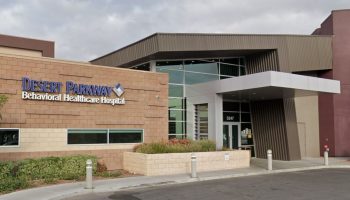
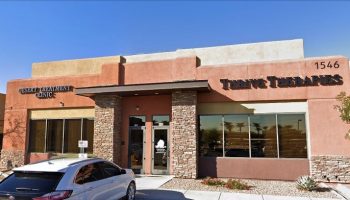

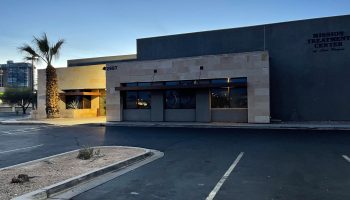






Nevada’s detoxification and addiction treatment landscape is characterized by a stark geographic divide that balances highly concentrated care in urban centers with significant access challenges in rural counties.
The system is heavily regulated by the Nevada Division of Public and Behavioral Health (DPBH) specifically through the Substance Abuse Prevention and Treatment Agency (SAPTA), which certifies and funds community-based programs across the state.
Recently, the treatment focus in Nevada has shifted aggressively toward harm reduction to combat a toxic drug supply. With fentanyl frequently found pressed into counterfeit pills or mixed with stimulants like methamphetamine, local health districts are expanding Medication-Assisted Treatment (MAT) and deploying innovative interventions such as the country’s first public health syringe vending machines in Las Vegas.
Furthermore, opioid settlement funds are actively being directed toward expanding mobile recovery units and telehealth infrastructure to reach underserved rural populations.
When navigating care in Nevada, geography is the primary hurdle. The vast majority of medical detox and inpatient beds are clustered in Clark County (Las Vegas) and Washoe County (Reno). Residents in rural or frontier regions often face long travel times for residential care.
Consequently, telehealth has become a vital lifeline. This allows rural Nevadans to undergo remote evaluations and initiate outpatient MAT without traveling to a major city. Additionally, finding a “SAPTA-certified” facility is crucial for those utilizing state funds or Medicaid as this designation ensures the program meets state safety, funding and clinical standards.