

 919-289-3798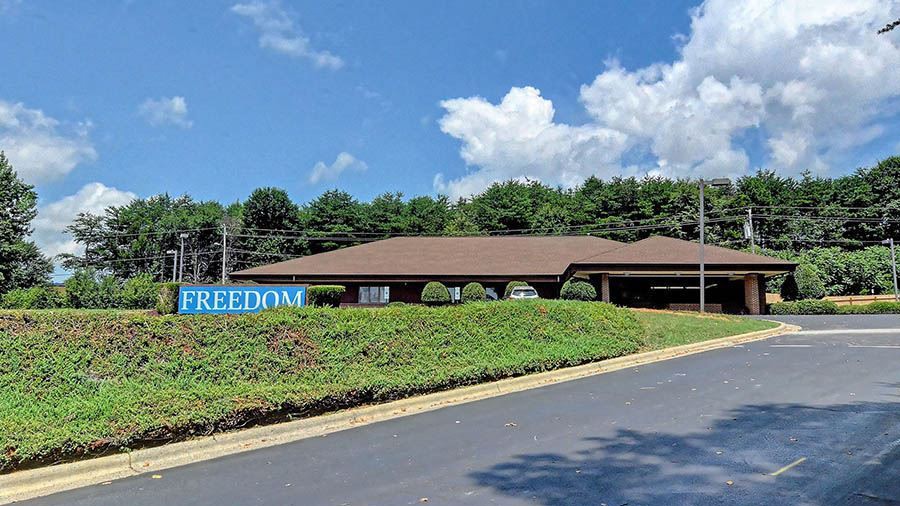
Freedom Detox
Gastonia, NC
28054
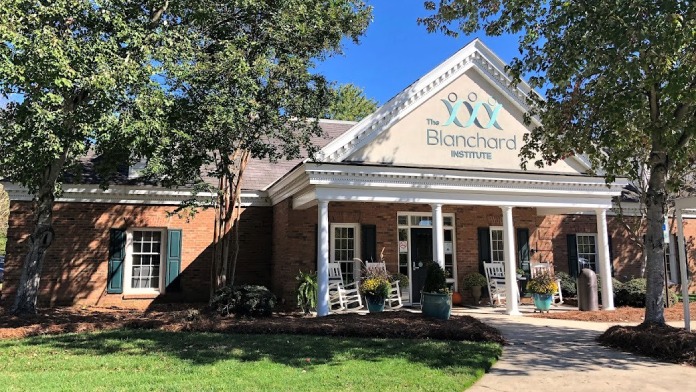
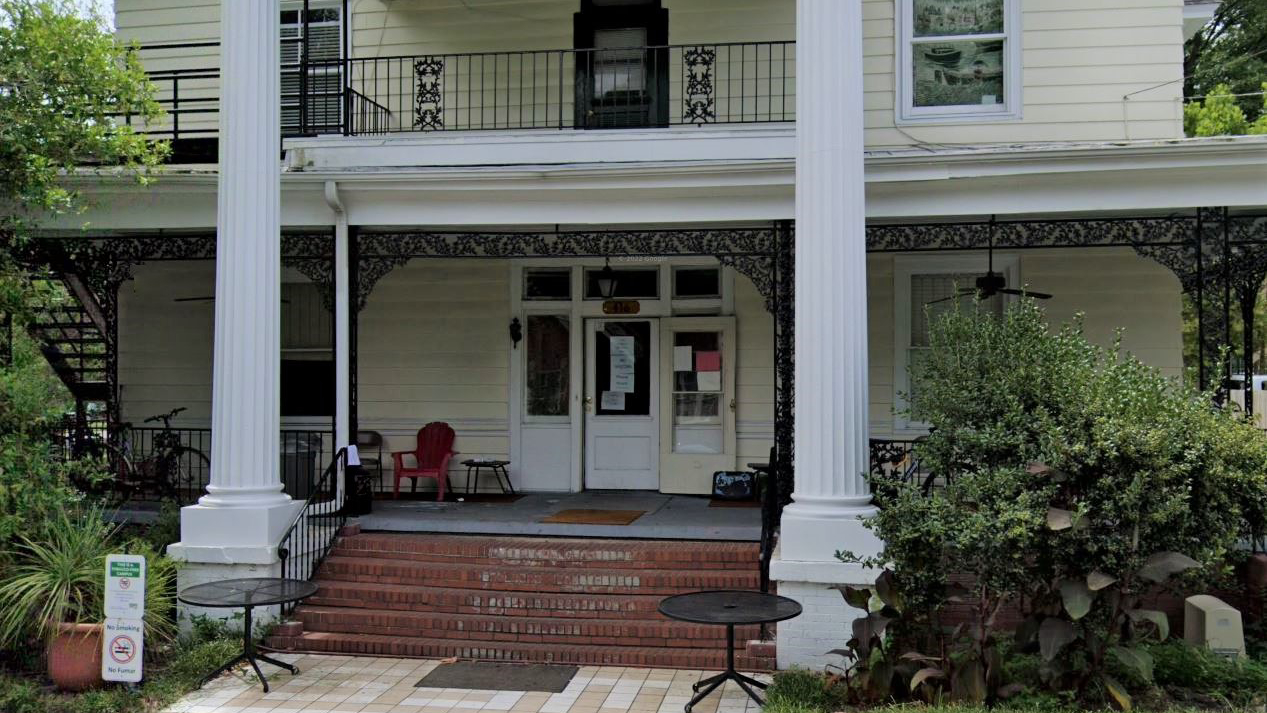
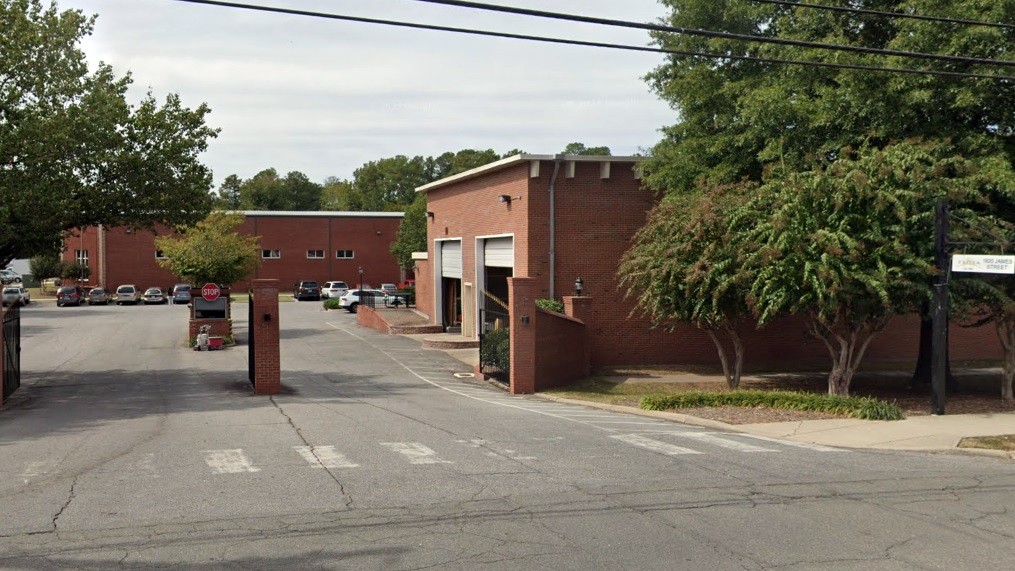
| Name | Address | Detox Service Setting | Levels Of Care | Media |
|---|---|---|---|---|
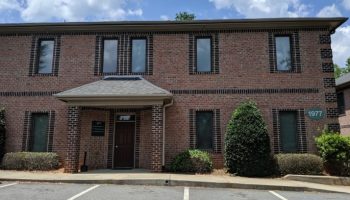
Absolute Advocacy |
1923 J N Pease Place Charlotte, NC 28262 |
Detox Service Setting
Inpatient DetoxOutpatient Detox
|
Levels Of Care
InpatientOutpatient
|
|
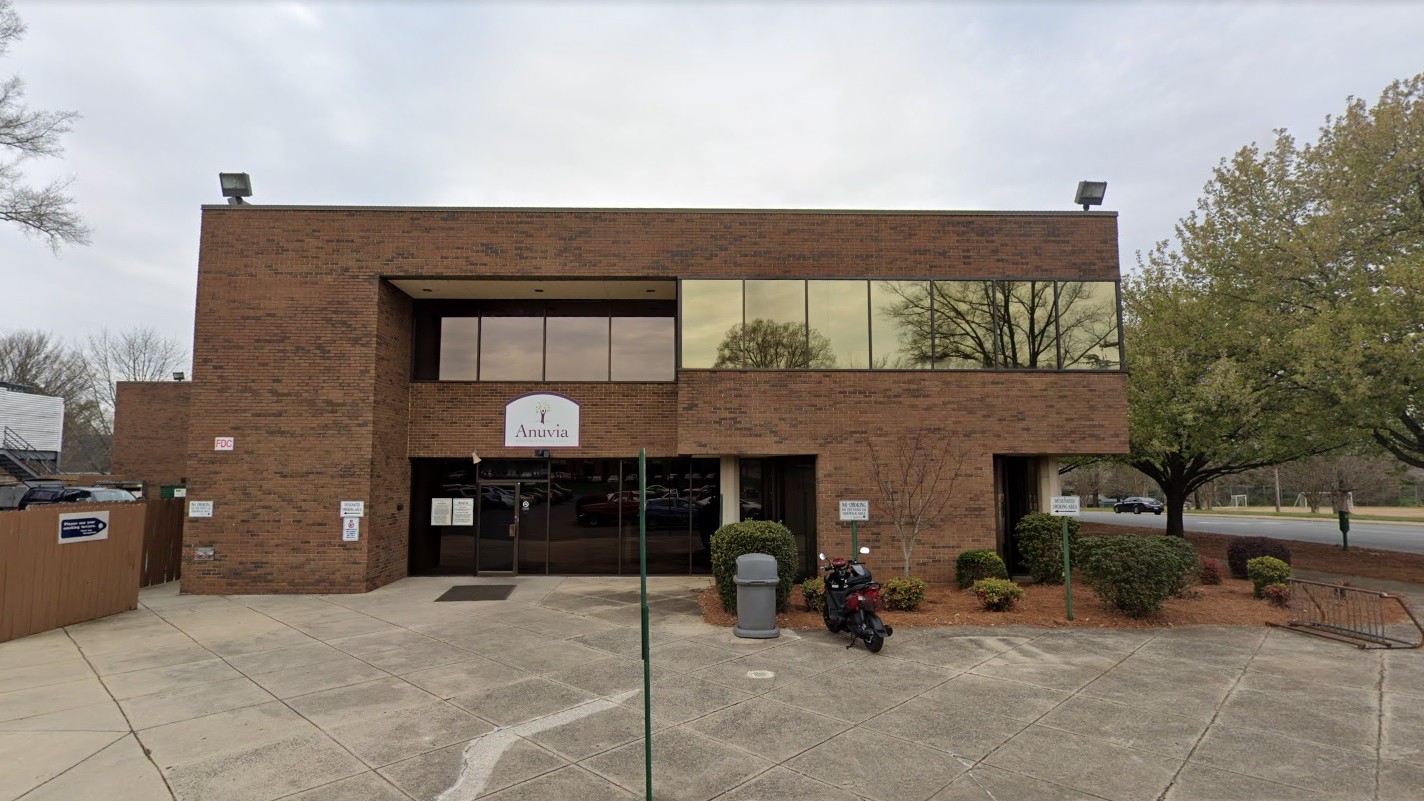
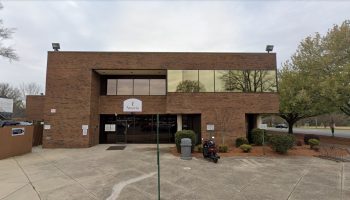
Anuvia Prevention and Recovery Center |
100 Billingsley Road Charlotte, NC 28211 |
Detox Service Setting
Inpatient DetoxOutpatient Detox
|
Levels Of Care
InpatientOutpatientAftercare+3
|
|
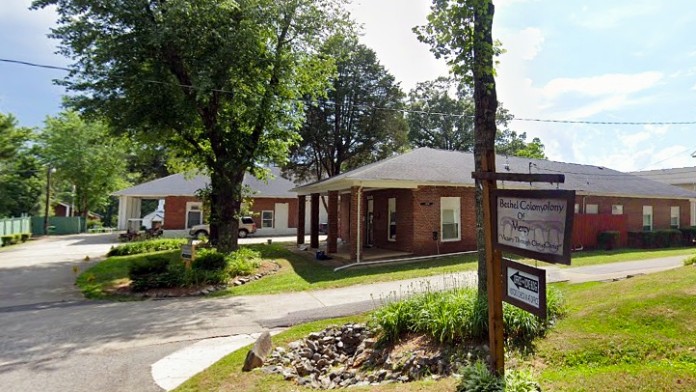
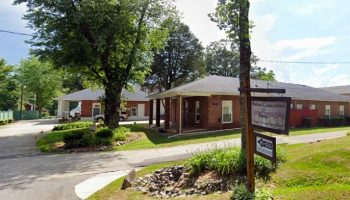
Bethel Colony of Mercy |
1675 Bethel Colony Rd Lenoir, NC 28645 |
Detox Service Setting
Inpatient DetoxOutpatient Detox
|
Levels Of Care
InpatientOutpatient
|
|
Carolina Center for Recovery |
7349 Statesville Rd Charlotte, NC 28269 |
Detox Service Setting
Inpatient DetoxOutpatient Detox
|
Levels Of Care
InpatientOutpatient
|

|
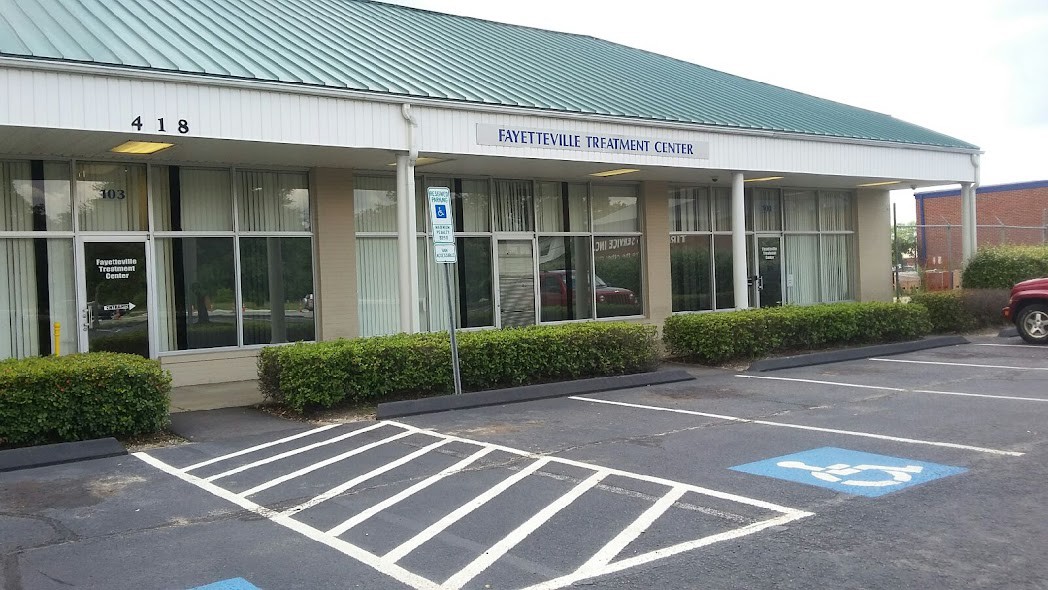
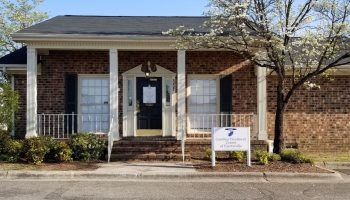
Carolina Treatment Center of Fayetteville |
3427 Melrose Road Fayetteville, NC 28304 |
Detox Service Setting
Outpatient Detox
|
Levels Of Care
Outpatient
|
|
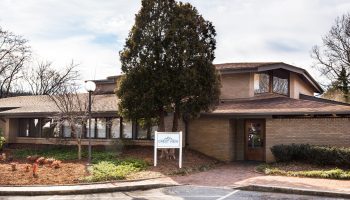
Crest View Recovery Center Asheville |
90 Asheland Avenue Asheville, NC 28801 |
Detox Service Setting
Inpatient DetoxOutpatient DetoxMAT
|
Levels Of Care
InpatientPHPOutpatient+4
|
|
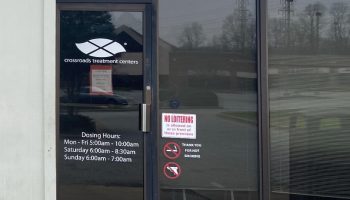
Crossroads of Greensboro, NC |
2706 North Church Street Greensboro, NC 27405 |
Detox Service Setting
Outpatient DetoxMAT
|
Levels Of Care
OutpatientDual Diagnosis
|
|
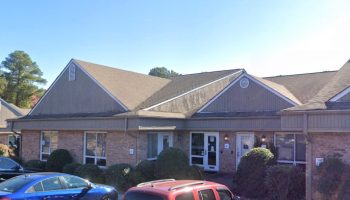
Eleanor Health |
2402 South Miami Boulevard Durham, NC 27703 |
Detox Service Setting
Inpatient DetoxOutpatient DetoxMAT
|
Levels Of Care
InpatientOutpatient
|
|
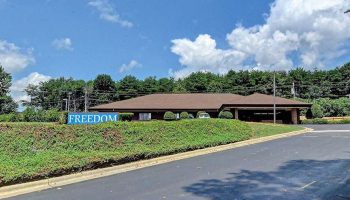
Freedom Detox |
1089 X Ray Drive Gastonia, NC 28054 |
Detox Service Setting
Inpatient Detox
|
Levels Of Care
InpatientAftercareDual Diagnosis
|
|
Freedom House Recovery Center, Inc. |
104 New Stateside Drive Chapel Hill, NC 27516 |
Detox Service Setting
Outpatient Detox
|
Levels Of Care
Inpatient
|
|
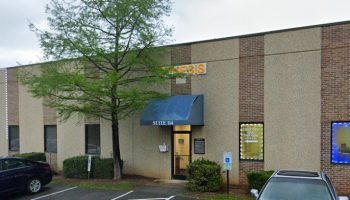
Genesis DWI Services |
319 Chapanoke Road Raleigh, NC 27603 |
Detox Service Setting
Inpatient DetoxOutpatient Detox
|
Levels Of Care
InpatientOutpatient
|
|
Harmony Recovery Center |
11403 North Tryon Street Charlotte, NC 28262 |
Detox Service Setting
Inpatient DetoxOutpatient Detox
|
Levels Of Care
InpatientOutpatientPHP+3
|

|
Healing Transitions |
3304 Glen Royal Rd Raleigh, NC 27617 |
Detox Service Setting
Inpatient DetoxOutpatient Detox
|
Levels Of Care
InpatientOutpatient
|

|
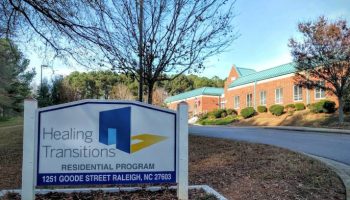
Healing Transitions Men Campus |
1251 Goode Street Raleigh, NC 27603 |
Detox Service Setting
Inpatient DetoxOutpatient Detox
|
Levels Of Care
InpatientOutpatient
|
|
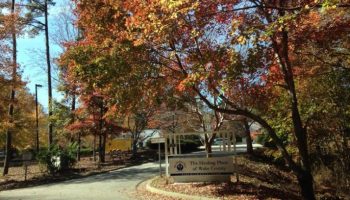
Healing Transitions Womens Campus |
3304 Glen Royal Road Raleigh, NC 27617 |
Detox Service Setting
Inpatient Detox
|
Levels Of Care
Inpatient
|
|
Insight Human Services |
665 West 4th Street Winston Salem, NC 27101 |
Detox Service Setting
Inpatient DetoxOutpatient DetoxMAT
|
Levels Of Care
InpatientOutpatientPHP+1
|
|
Insight Human Services Womens Recovery Center |
723 Fairview Road Asheville, NC 28803 |
Detox Service Setting
Inpatient DetoxOutpatient Detox
|
Levels Of Care
InpatientOutpatientAftercare+2
|

|
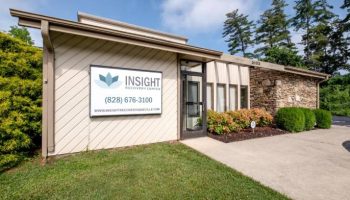
Insight Recovery Center Asheville |
2123 Hendersonville Rd Arden, NC 28704 |
Detox Service Setting
Inpatient DetoxOutpatient Detox
|
Levels Of Care
InpatientOutpatient
|
|
Launch Pad |
3150 Malpass Avenue Wilmington, NC 28403 |
Detox Service Setting
Inpatient DetoxOutpatient Detox
|
Levels Of Care
InpatientOutpatient
|

|
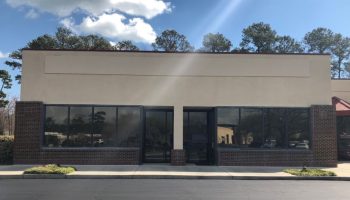
Lifeline Treatment Center |
5710 Oleander Drive Wilmington, NC 28403 |
Detox Service Setting
Inpatient DetoxOutpatient DetoxMAT
|
Levels Of Care
InpatientPHPOutpatient+3
|
|
North Carolina runs its substance use system through the Department of Health and Human Services (NCDHHS), Division of Mental Health, Developmental Disabilities, and Substance Use Services (DMH/DD/SUS), which sets standards and coordinates care across the state. Detox and treatment facilities are licensed by the NCDHHS Division of Health Service Regulation. Anyone choosing a detox center can begin with an assessment through a local provider or a Tailored Plan care manager.
North Carolina has expanded access to care substantially in recent years. The state expanded Medicaid on December 1, 2023, extending coverage to hundreds of thousands of adults, and Medicaid now covers the full continuum of substance use care through Standard Plans, Behavioral Health Tailored Plans, and NC Medicaid Direct. The state has also invested opioid settlement funds and historic behavioral health funding to widen treatment and harm-reduction efforts.
These efforts are showing results. Overdose deaths fell 34 percent from 2023 to 2024, the first decline since 2019. Fentanyl still drives the crisis, which is why medically supervised detox matters. Admission usually begins with an assessment that assigns an American Society of Addiction Medicine (ASAM) level of care to match the setting to a person’s needs.
Paying for detox in North Carolina is more manageable than many people expect, between expanded Medicaid, commercial insurance parity protections, and state-funded programs that serve uninsured residents. Understanding how much detox costs and the assistance options below can help you plan before treatment begins.
The cost of detox in North Carolina depends on the level of medical supervision, the substance involved, the length of stay, and whether care happens in a hospital, a residential facility, or an outpatient setting. Alcohol and benzodiazepine withdrawal often require closer monitoring, which raises the cost.
North Carolina generally sits near or slightly below national averages. The figures below are full cash-pay (self-pay) rates before insurance, Medicaid, Medicare, or state funding is applied. Most people with coverage pay far less, and many qualify for care at no cost.
Medicare covers medically necessary detox for North Carolina residents. Part A pays for inpatient hospital withdrawal management, and Part B covers outpatient services, including opioid treatment program care that provides methadone, buprenorphine, and naltrexone. Medicare Advantage plans sold in North Carolina must offer at least the same coverage. Your out-of-pocket cost depends on the setting, the services received, and your plan’s deductibles and coinsurance.
North Carolina Medicaid, expanded on December 1, 2023, covers medically supervised withdrawal, residential treatment, intensive and comprehensive outpatient programs, and medication-assisted treatment. Coverage is delivered through Standard Plans, Behavioral Health Tailored Plans for people with significant needs, and NC Medicaid Direct. Some services may require prior authorization.
North Carolina funds a broad public safety net so that cost is not a barrier to starting detox. Beyond commercial insurance and Medicaid, several options help people pay for care:

The Division of Mental Health, Developmental Disabilities, and Substance Use Services funds treatment through the Behavioral Health Tailored Plans and local management entities, using state and federal block grant dollars to cover care for uninsured and underinsured residents.
North Carolina operates three state Alcohol and Drug Abuse Treatment Centers, in Butner, Black Mountain, and Greenville, which provide medically monitored detox and residential treatment to residents regardless of their ability to pay.
Federally Qualified Health Centers and nonprofit providers across North Carolina offer detox and outpatient services on a sliding-fee scale tied to income, keeping care reachable for people without full coverage.
Enrolled veterans can access substance use treatment and medically supervised detox through the Durham, Salisbury, Fayetteville, and Asheville VA medical centers, as well as community care referrals when needed.
Detox and treatment programs in North Carolina are overseen by state agencies and licensing bodies, with national accreditation adding a further layer of quality assurance. These are the primary bodies that regulate withdrawal management and addiction care across the state:
DMH/DD/SUS is the state authority that oversees North Carolina’s public behavioral health system, setting program standards and coordinating Medicaid behavioral health and state-funded substance use services statewide. See the division.
The Mental Health Licensure and Certification Section of DHSR licenses North Carolina detox, residential, and outpatient substance use facilities under General Statute 122C, conducting initial, annual, and complaint inspections. See the licensure section.
Programs that dispense methadone or other controlled substances must be approved by the North Carolina Drug Control Unit and, for opioid treatment programs, the State Opioid Treatment Authority, alongside DEA and SAMHSA approval. See the approval requirements.
Beyond state oversight, many North Carolina detox and treatment providers voluntarily earn accreditation from CARF International or The Joint Commission. These independent bodies audit programs against national standards for safety, clinical quality, and outcomes, signaling externally reviewed care.
Medication-assisted treatment in North Carolina is regulated at the federal and state levels. Opioid treatment programs that dispense methadone must hold SAMHSA certification under 42 CFR Part 8 and register with the DEA, while the state Drug Control Unit approves dispensing and the Controlled Substances Reporting System tracks prescriptions. North Carolina has widened access to medication-assisted treatment through telehealth and mobile opioid treatment programs, and the federal buprenorphine waiver has been eliminated.
Buprenorphine, often prescribed as Suboxone, is widely available in North Carolina through office-based providers, telehealth, and jail-based programs. This reach matters in rural counties far from a clinic. North Carolina Medicaid covers buprenorphine, making it a practical first step for opioid use disorder treatment.
Methadone is dispensed only through SAMHSA-certified opioid treatment programs and is not available at retail pharmacies. North Carolina has expanded reach with mobile opioid treatment units in underserved areas, and North Carolina Medicaid covers methadone for eligible residents.
Naltrexone, including the extended-release injection Vivitrol, blocks opioid effects and is not a controlled substance, so any licensed North Carolina prescriber can offer it in a standard outpatient setting. It treats both opioid and alcohol use disorder after withdrawal is complete, and North Carolina Medicaid covers it statewide.
North Carolina has expanded overdose prevention steadily since legalizing syringe services programs in 2016. Because fentanyl drives the large majority of the state’s overdose deaths, North Carolina maintains a statewide standing order that lets pharmacists dispense naloxone without an individual prescription, funds a network of syringe-services programs, and supports community drug-checking. These services often become a person’s first connection to detox and treatment.
The North Carolina Department of Health and Human Services runs the Safer Syringe Initiative, maintaining the statewide list of syringe services programs and supporting the standing order that makes naloxone available at pharmacies without a prescription.
NCHRC, with offices in Wilmington and Raleigh, distributes free naloxone rescue kits, operates syringe services, and connects people who use drugs to treatment, having led much of the state’s harm-reduction policy work.
Based in Winston-Salem and serving the Triad, TCHRC provides syringe services, naloxone and overdose reversal training, and referrals to substance use treatment for people who use drugs in the region.
The National Harm Reduction Coalition provides overdose prevention resources, training, and toolkits used by North Carolina programs, along with guidance on naloxone access and safer drug use.
North Carolina has made major progress against overdose deaths, though fentanyl keeps the danger high. These figures from state health agencies show where North Carolina stands today.
North Carolina overdose deaths fell 34 percent, from 4,442 in 2023 to 2,934 in 2024, the first decline since 2019, according to the North Carolina Department of Health and Human Services.
Fentanyl remains the leading substance in North Carolina overdose deaths, involved in the large majority of fatalities, according to the North Carolina Office of the Chief Medical Examiner.
In 2024, North Carolina distributed more than 150,000 doses of the overdose reversal medication naloxone to community organizations across the state, according to NCDHHS.
Contact your local management entity or a Behavioral Health Tailored Plan care manager, who can connect you to state-funded detox and treatment. North Carolina also operates three state Alcohol and Drug Abuse Treatment Centers that serve residents regardless of ability to pay.
Yes. North Carolina’s statewide standing order lets pharmacists dispense naloxone without an individual prescription, and syringe-services programs and harm-reduction organizations distribute it free. The state distributed more than 150,000 doses to community groups in 2024.
It depends on the substance, your withdrawal history, and any co-occurring conditions. Alcohol and benzodiazepine withdrawal can be life-threatening and often require inpatient care. Reviewing whether you really need inpatient detox with a clinician determines the safest level of care.
Yes. Since expanding on December 1, 2023, North Carolina Medicaid covers medically supervised withdrawal, residential treatment, intensive and comprehensive outpatient programs, and medication-assisted treatment. Coverage runs through Standard Plans, Tailored Plans, and NC Medicaid Direct, and some services may require prior authorization.
Most medically supervised detox lasts three to seven days, though timelines vary by substance and severity. Opioid and alcohol withdrawal typically span several days, while some sedatives require a longer taper. Your care team adjusts the plan based on your symptoms and medical needs.


Kerry Nenn is a full-time freelance writer and prize-winning author. She contributes regularly to addiction-recovery sites, international journal publications, and Christian ministries. Her published works include 10 books and myriad articles. Her work has received recognition both locally and nationally.